Indigenous Fire Stewardship
Indigenous knowledge holders, Land Guardians, and firefighters have critical expertise in the management and mitigation of wildfire in their territories. This Resource Collection aims to elevate Indigenous knowledge and land management approaches, which are too often under-recognized and under-applied. As Indigenous Nations are advocates for the unique needs and cultural contexts of their communities, knowledge within this Collection can also aid the creation of more inclusive and actionable wildfire resilience approaches by non-Indigenous governments and organizations. We recognize that each individual in the wildfire management ecosystem can be a changemaker, and that better cross-pollination of knowledge and approaches can directly impact informed management decisions.
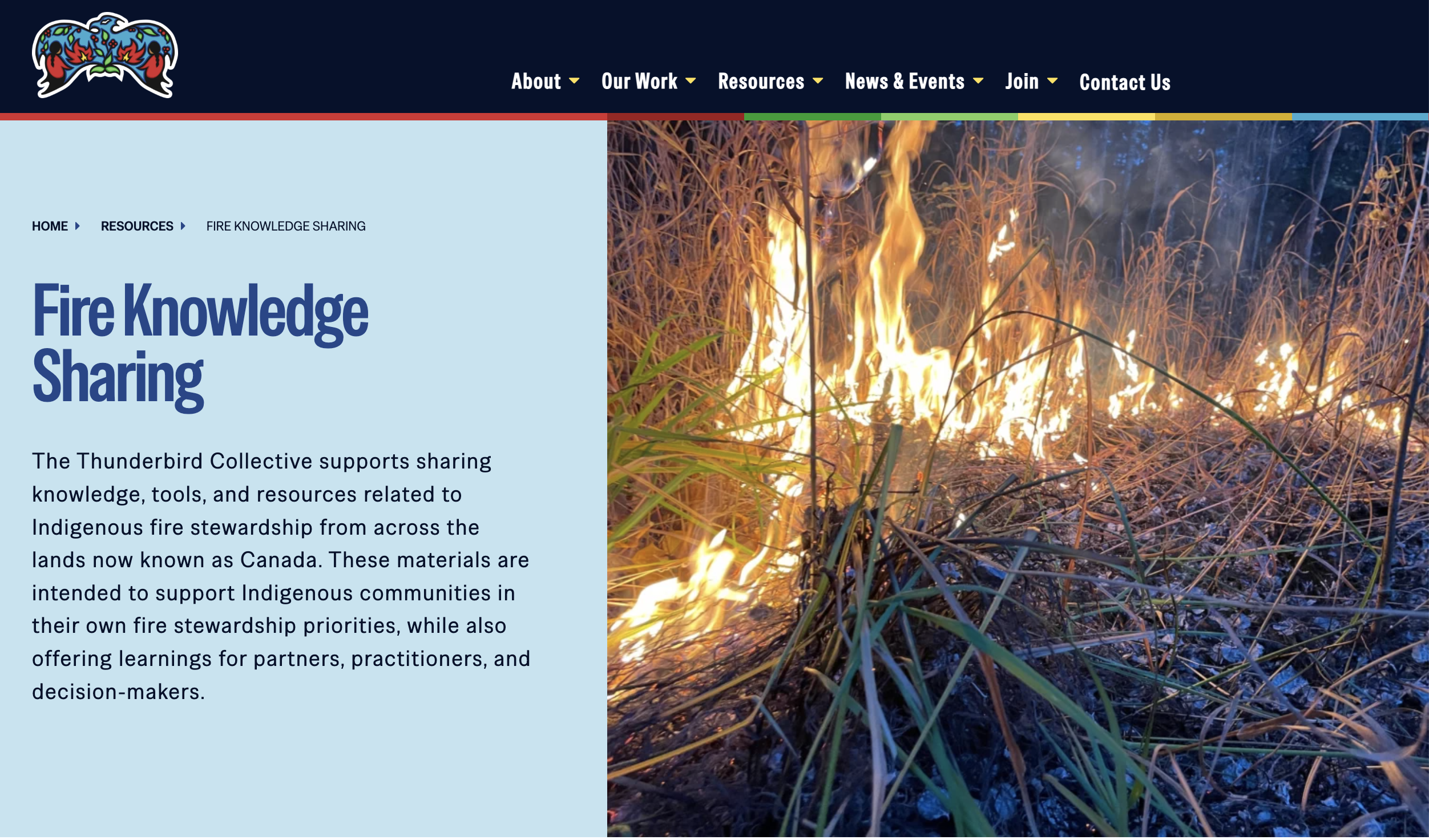
Thunderbird Collective: Fire Knowledge Sharing
The Thunderbird Collective supports sharing knowledge, tools, and resources related to Indigenous fire stewardship from across the lands now known as Canada. These materials are intended to support Indigenous communities in their own fire stewardship priorities, while also offering learnings for partners, practitioners, and decision-makers.
National Indigenous Fire Safety Council: Research Library
Browse reports, decision tools, research papers, and reference documents for Indigenous fire safety and community risk reduction.
A tale of two fire systems: indigenous fire stewardship in British Columbia and California
An increasing wildfire problem in western North America has created a policy space for Indigenous fire stewardship (IFS) to mitigate wildfire. We compare how British Columbia and California have supported IFS—two jurisdictions with distinct ecosystems but similar histories of colonialism and its socio-ecological consequences. We examine how IFS is incorporated into each jurisdiction’s institutional framework, and the barriers to, and opportunities for implementation.
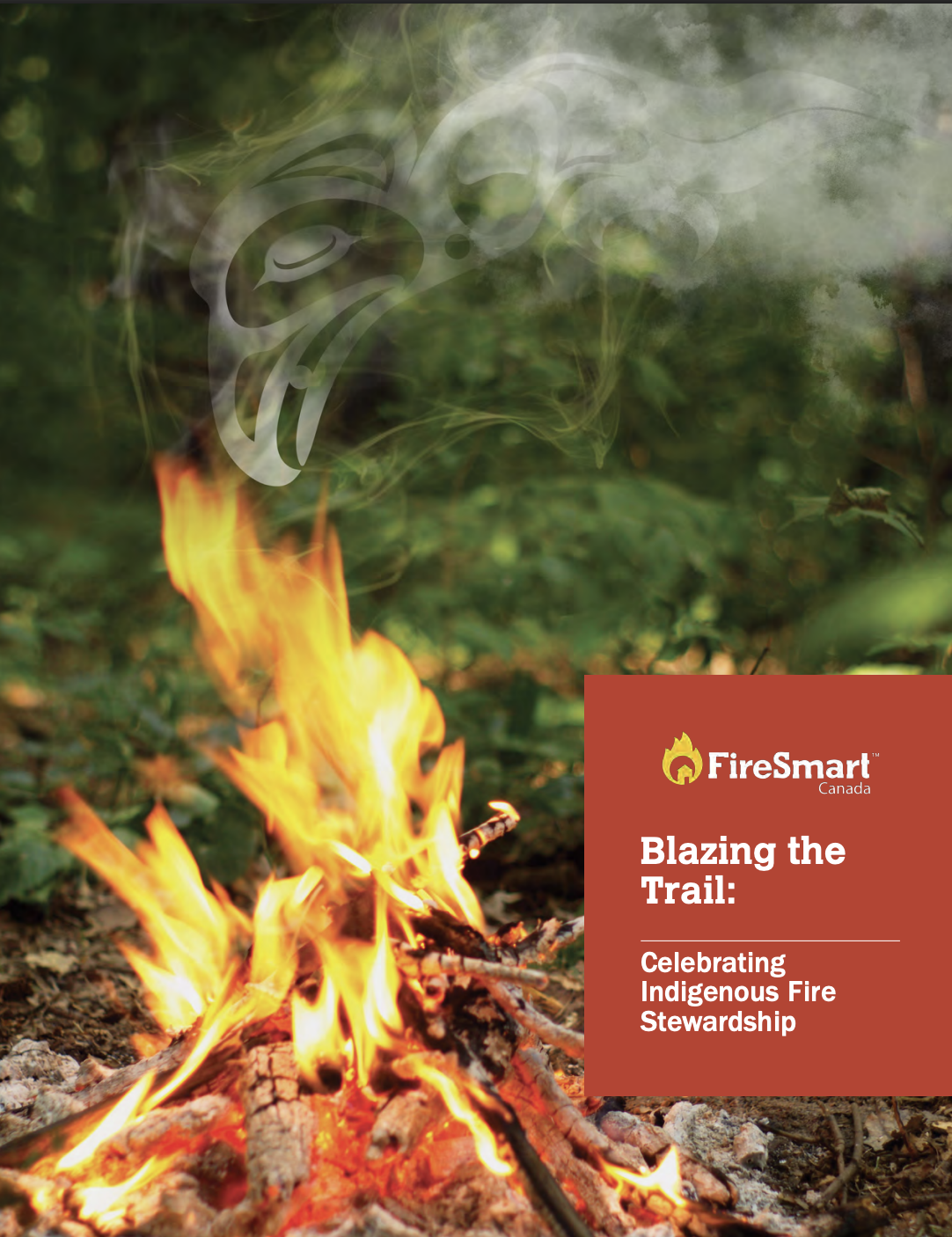
Blazing the Trail: Celebrating Indigenous Fire Stewardship
FireSmart Canada is pleased to release Blazing the Trail: Celebrating Indigenous Fire Stewardship, a beautiful, bound publication that recognizes the contributions to wildfire prevention of Indigenous communities in Canada. Blazing the Trail is both a resource and a treasure; its detailed, first-person stories provide insight and context about Indigenous Peoples and fire stewardship, and the narrative encourages celebration and sharing of wise practices and lessons learned across generations. Blazing the Trail: Celebrating Indigenous Fire Stewardship is designed for leaders at all levels in Indigenous communities, from local youth to elders, fire-keepers, fire knowledge-holders, elected officials, fire chiefs, and senior community managers/administrators.
Breathing Fire into Landscapes that Burn: Wildfire Management in a Time of Alterlife
Across the globe, settler nation-states are being forced to contend with the large-scale ecological and social disruptions caused by settler colonialism. Wildfires are a charismatic example of this: when anthropogenic climate change combines with colonial forest management practices, wildfires act in ever changing ways with often violent and uneven impacts to human and nonhuman life. In a context of environmental change, managers, fire ecologists, and politicians alike are increasingly looking to reintroduce fire as a way of restoring “natural” forest landscapes while reducing fire suppression costs. In this paper, I examine one such policy of fire re-integration, in what is currently the Canadian province of Saskatchewan, the homelands of more than 50,000 Indigenous people (Cree, Dakota, Dene, Métis) who live in the province’s Boreal Forest region. In 2004, the Province implemented a controversial policy that locals colloquially refer to as “Let-it-Burn,” where fires are allowed to burn until they encroach upon something designated of “value” (typically human life, community structures, public infrastructure, and commercial timber). While wildfire managers, scientists, and politicians alike consistently advocate for policies of fire-reintegration as ecologically-sound and financially responsible ways forward with fire management, many locals have argued that “Let-it-Burn” is a direct affront to Indigenous sovereignty, destroying contemporary forest landscapes and rebuilding them through state-sanctioned settler values. Breathing fire back into landscapes that burn is a peculiar solution that at once acknowledges and erases the effects of fire’s removal through policies of restoration that risk ignoring the ongoingness of life in forested areas. Through interviews and archival and ethnographic fieldwork, this paper traces the history of the province’s “Let-it-Burn” policy, asking the question, “how to burn well in compromised lands?” As a way forward with fire reintegration (or not), I highlight the necessity of Indigenous partnership, leadership, and direction within fire management practices on Indigenous territory, which may include fire suppression. This paper adds to STS scholarship on ecological ruination and alterlife, arguing that wildfire management practices are likely to cause harm so long as the effects of settler colonialism are placed in the past and Indigenous rebuilding is erased.
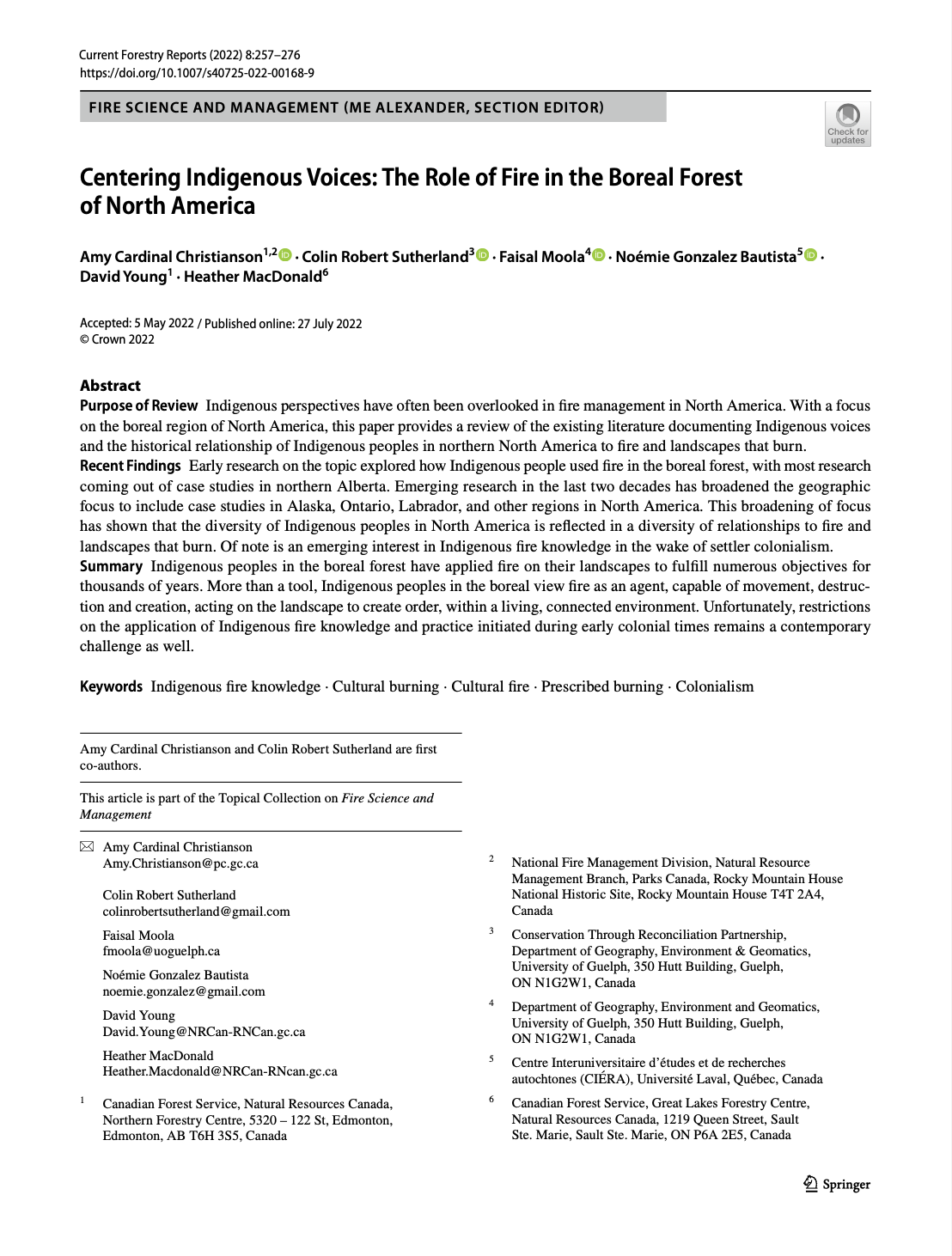
Centering Indigenous Voices: The Role of Fire in the Boreal Forest of North America
Indigenous perspectives have often been overlooked in fire management in North America. With a focus on the boreal region of North America, this paper provides a review of the existing literature documenting Indigenous voices and the historical relationship of Indigenous peoples in northern North America to fire and landscapes that burn.
Fire Readiness For Indigenous Communities
A guidance book with resources for Wildfire Preparedness and FireSmart™ Communities.
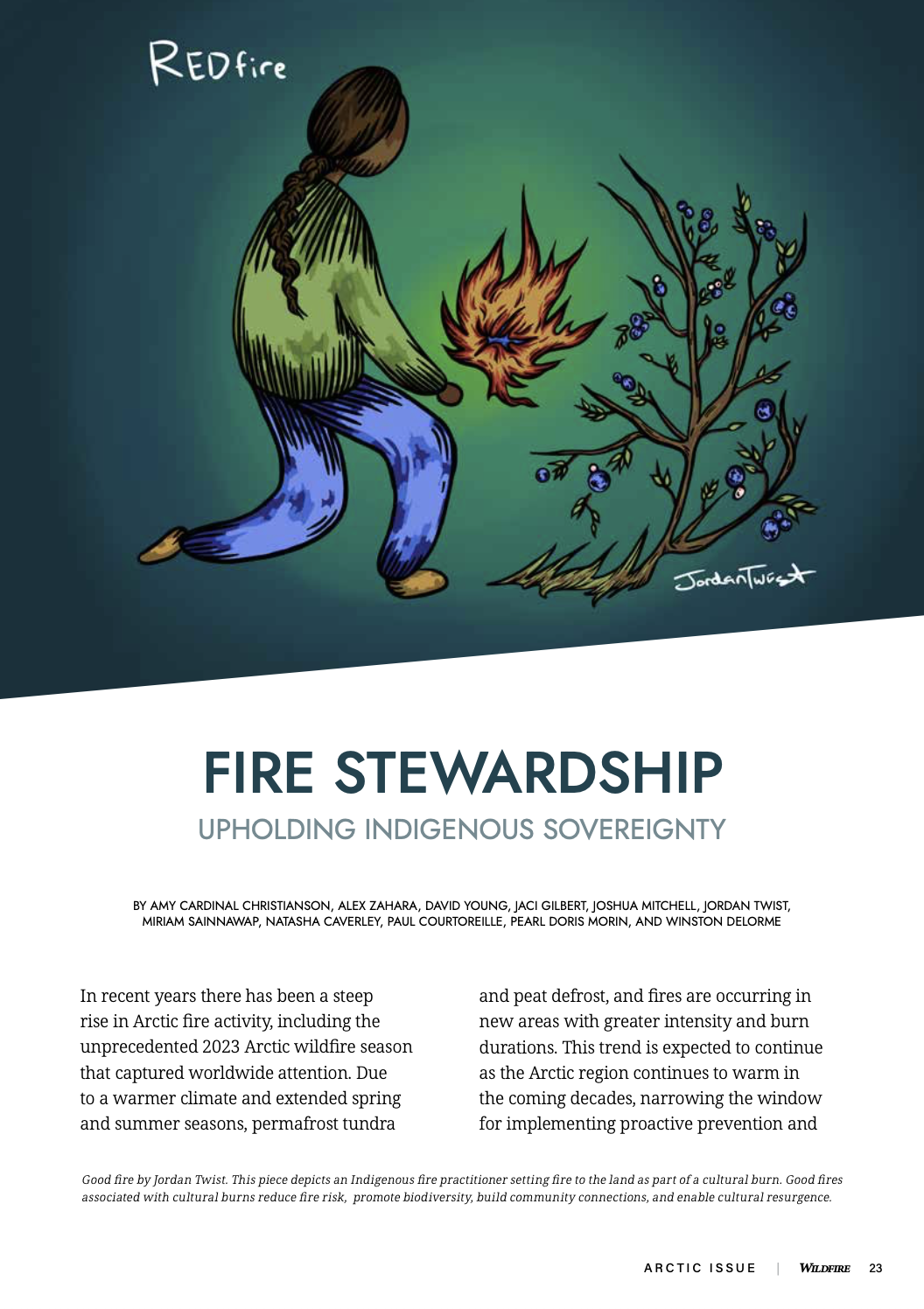
Fire Stewardship: Upholding Indigenous Sovereignty
In recent years there has been a steep rise in Arctic fire activity, including the unprecedented 2023 Arctic wildfire season that captured worldwide attention. Due to a warmer climate and extended spring and summer seasons, permafrost tundra and peat defrost, and fires are occurring in new areas with greater intensity and burn durations. This trend is expected to continue as the Arctic region continues to warm in the coming decades, narrowing the window for implementing proactive prevention and mitigation strategies. Indigenous Peoples in the Arctic, such as the Sámi, Inuit, First Nations, and various Siberian Indigenous groups, have deep-rooted knowledge of their environments and established Indigenous fire stewardship practices that can contribute to sustainable fire management. Indigenous Peoples have stewarded the environment by using fire practices deeply tied to their cultural traditions, ecological knowledge, and spiritual relationships with the land. These cultural practices continue to be disrupted through colonization, under which Indigenous land stewardship practices are restricted and colonial authorities assume jurisdiction over Indigenous lands and people.
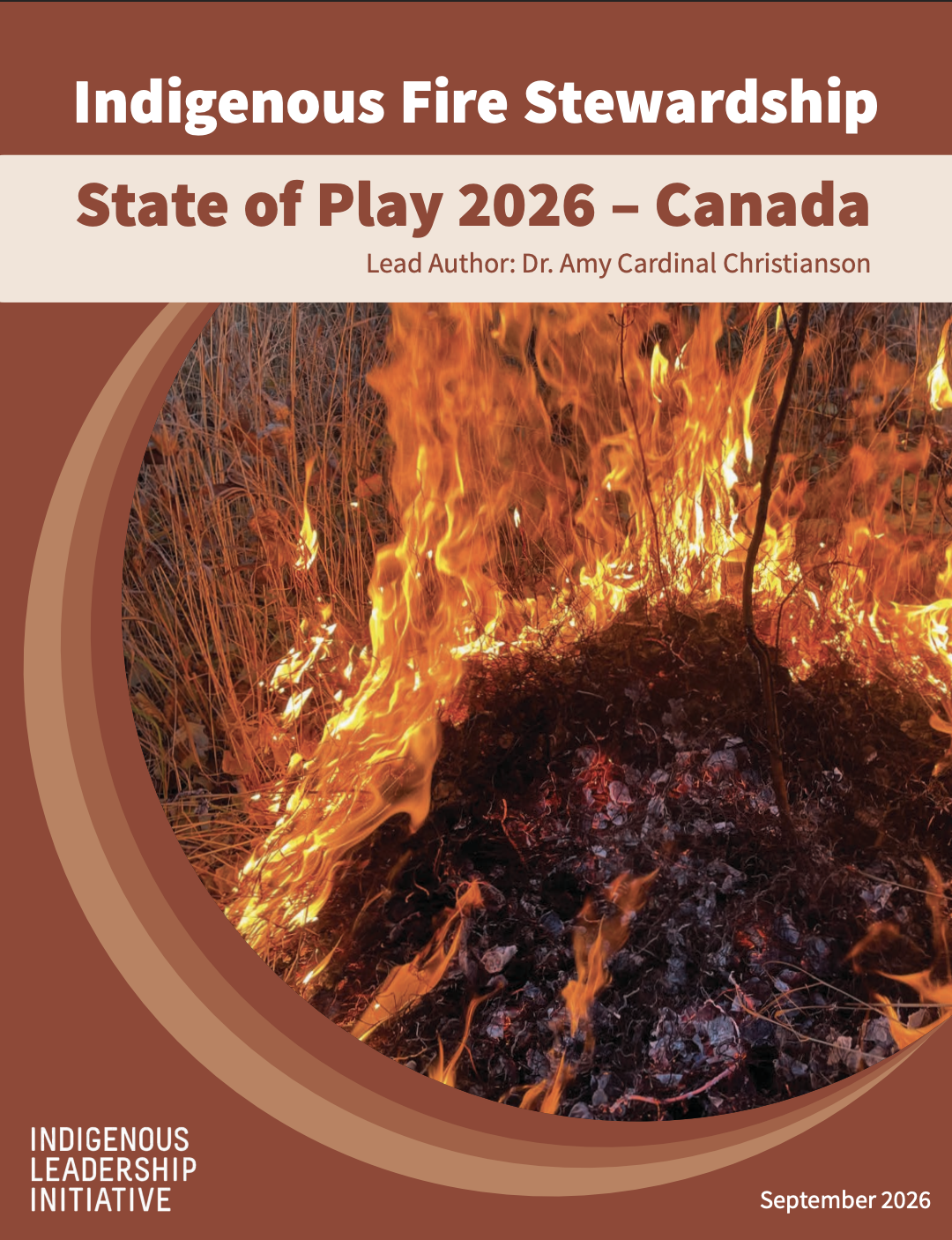
Indigenous Fire Stewardship: The State of Play, 2026 - Canada
Indigenous Nations and communities have had an important relationship with fire since time immemorial. With interest in Indigenous Fire Stewardship growing significantly over the past five years, this report examines the current “state of play” related to Indigenous Fire Stewardship in Canada. Written by Dr. Amy Cardinal Christianson, it provides a snapshot of where things stand, where they are headed, what barriers slow progress, and what policies will enable continued growth and success. The Indigenous Leadership Initiative offers this overview for discussion among Guardians, Indigenous Nations, government departments, fire agencies, researchers, and funders. Pathway 1: Sustainable Long-term Funding: This is vital to ensure programs grow at the scale needed to generate healthier landscapes without constantly chasing funding. Pathway 2: Supporting an Indigenous Workforce: Building a trained workforce will spread the benefits of Indigenous fire stewardship across the country. ILI recommends focusing on: - Supporting Guardians in fire and emergency response - Launching Fire Guardians programs that perform on year-round fire stewardship - Supporting Nations to develop fire stewardship plans for Indigenous Protected and Conserved Areas Pathway 3: Enabling Policy: Supportive policies are also critical. They include simplifying complex jurisdictions for wildfire and emergency management, developing fire stewardship plans for communities, and creating Indigenous-led research and evaluation frameworks.
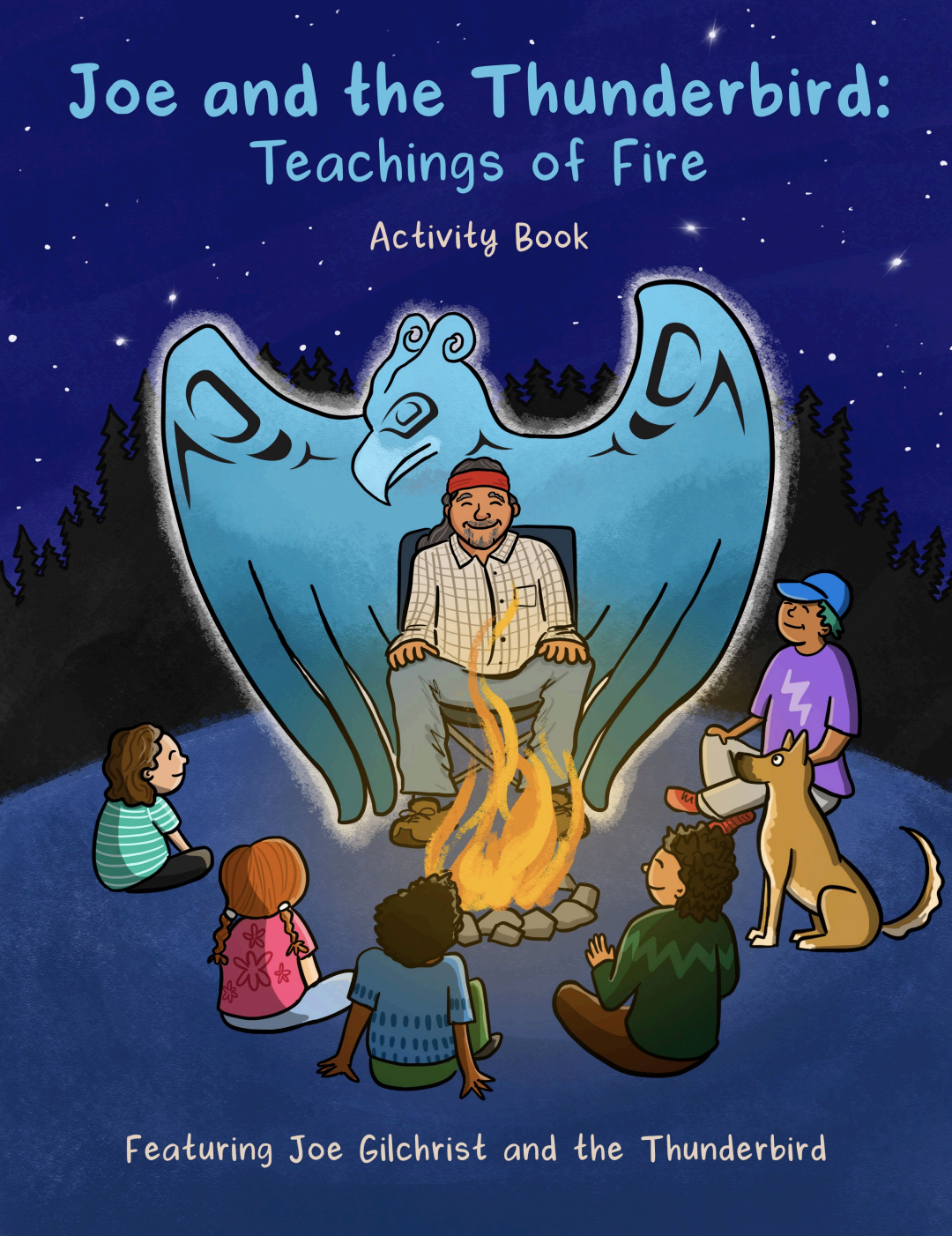
Joe and the Thunderbird: Teachings of Fire
Developed in collaboration with the Thunderbird Collective, this free activity booklet introduces readers to Indigenous Fire Stewardship through the teachings of Fire Keeper and Knowledge Holder Joe Gilchrist and the Thunderbird. Featuring stories, colouring pages, and activities, the booklet encourages youth and families to learn about Good Fire, caring for the land, and building wildfire resilience.
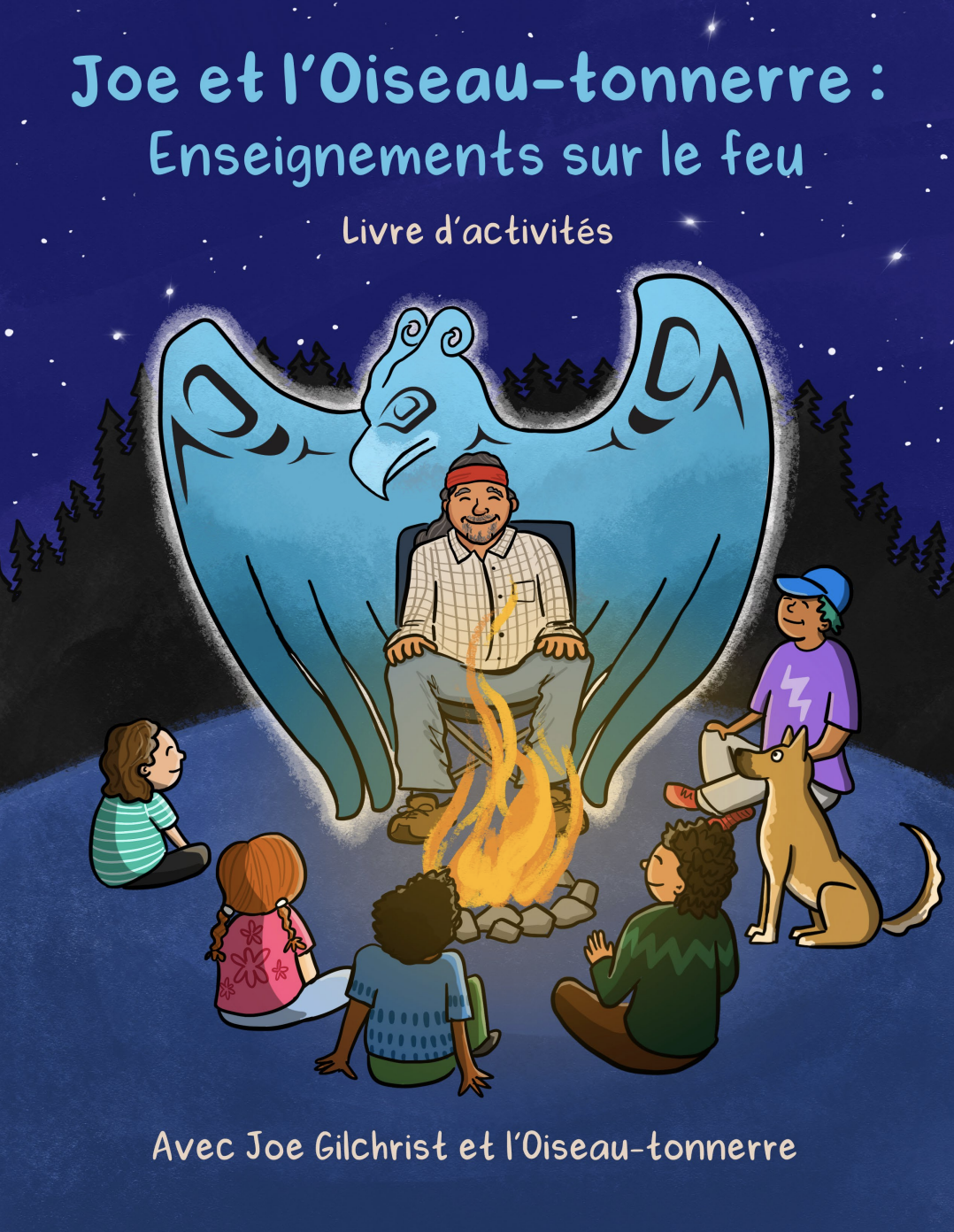
Joe et l'Oiseau-tonnerre: Enseignements sur le feu
Developed in collaboration with the Thunderbird Collective, this free activity booklet introduces readers to Indigenous Fire Stewardship through the teachings of Fire Keeper and Knowledge Holder Joe Gilchrist and the Thunderbird. Featuring stories, colouring pages, and activities, the booklet encourages youth and families to learn about Good Fire, caring for the land, and building wildfire resilience.
Rebuilding Resilient Indigenous Communities in the RMWB: Final Report
This ground-breaking report is a first of its kind in Canada: an Indigenous-controlled assessment of the impacts of a major natural disaster that brings together First Nations and Métis governments, communities, and organizations from across an entire region. This project brought together 11 Indigenous communities/organizations and three regional Indigenous partner organizations and is based upon two years of detailed research, including 10 focus groups, 40 interviews, a regional survey of more than 600 Indigenous people, and a review of more than 200 secondary sources on Indigenous research methodologies, the Indigenous history of northeastern Alberta, Indigenous vulnerability and resilience to natural disasters, and disaster preparedness, response, recovery, and mitigation. The 36 recommendations detailed in the final section cover a range of themes, including reconciliation and rights; jurisdiction, responsibility, and regional cooperation; community-based preparedness; response, re-entry, and recovery; and mitigation.
Rebuilding Yunesit’in fire (Qwen) stewardship: Learnings from the land
Yunesit’in First Nation is reclaiming fire stewardship after generations of suppression. Applying a “learning by doing” approach, Yunesit’in members plan and implement proactive fire practices to the landscape, which are low intensity cool burn fires driven by the needs of the landscape and community goals. Through a structured monitoring and evaluation process, the participants generate knowledge and science on fire stewardship; the outcomes are documented and mobilized in various ways, including video, photos, and peer-reviewed articles. The pilot program has initially been evaluated through four general measures: area stewarded (in hectares); people employed and trained (number and diversity of people employed); the level of planning, vision, and program sustainability (generating plans where fire is a tool to meet the goals in these plans, supported by carbon funds); and partnerships and knowledge mobilization, (fostering partnerships for knowledge production and mobilization). On these measures, the program is growing and is a success. A holistic framework is being developed by the community, which encompasses ecological, social, economic, and cultural indicators, including a health and wellbeing evaluation framework to assess the physical, mental health and wellbeing benefits for participants in the program. A holistic approach is critical for understanding the connection between people, place and the role that fire stewardship plays in mediating positive outcomes.
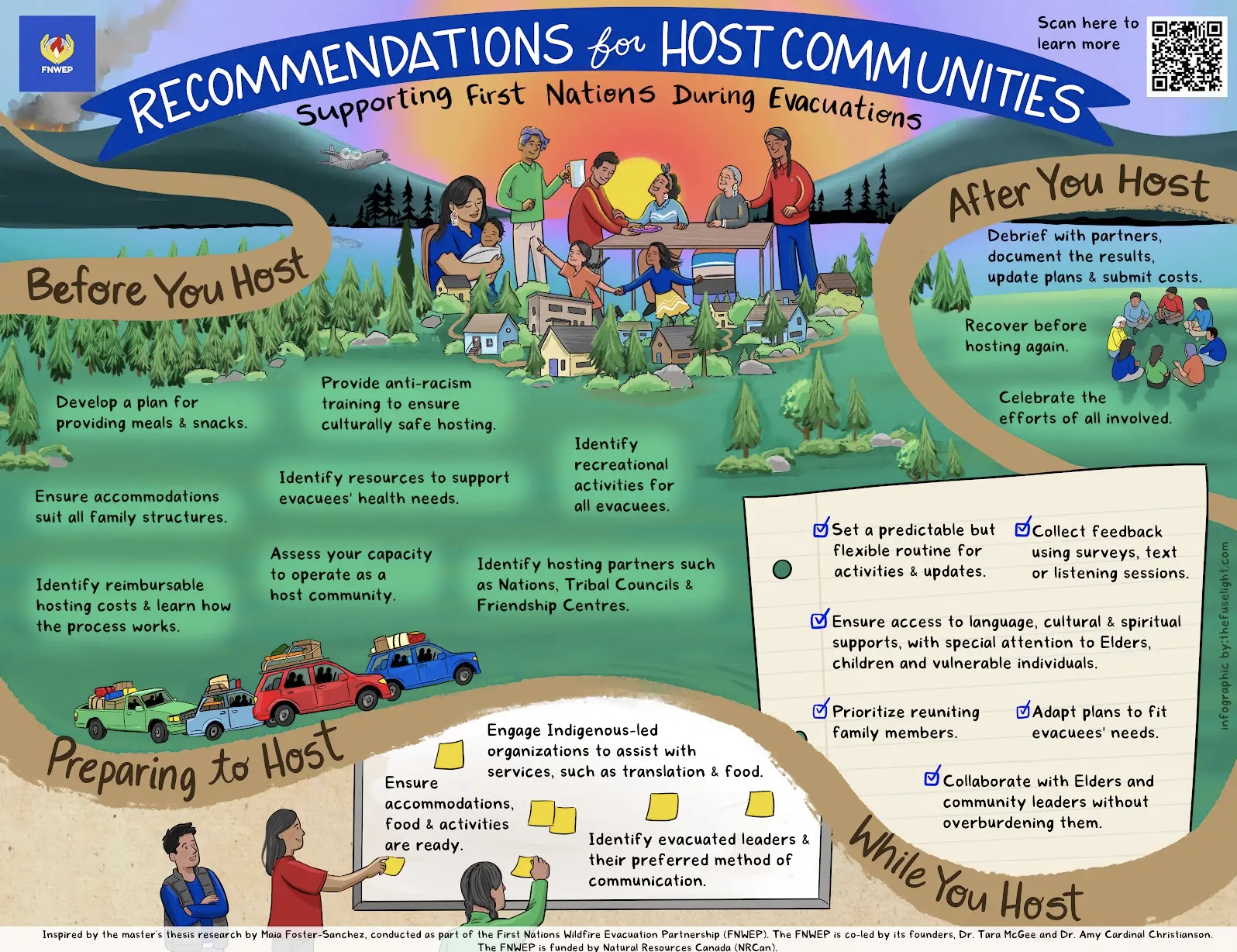
Recommendations for Host Communities: Supporting First Nations during Evacuations
The First Nations Wildfire Evacuation Partnership has generated a number of collaborative multi-media research products intended for the First Nations audience, fire management professionals, researchers, and the general public. This file can be printed in colour at poster size.
The right to burn: barriers and opportunities for Indigenous-led fire stewardship in Canada
Indigenous fire stewardship enhances ecosystem diversity, assists with the management of complex resources, and reduces wildfire risk by lessening fuel loads. Although Indigenous Peoples have maintained fire stewardship practices for millennia and continue to be keepers of fire knowledge, significant barriers exist for re-engaging in cultural burning. Indigenous communities in Canada have unique vulnerabilities to large and high-intensity wildfires as they are predominately located in remote, forested regions and lack financial support at federal and provincial levels to mitigate wildfire risk. Therefore, it is critical to uphold Indigenous expertise in leading effective and socially just fire stewardship. In this perspective, we demonstrate the benefits of cultural burning and identify five key barriers to advancing Indigenous fire stewardship in Canada. We also provide calls to action to assist with reducing preconceptions and misinformation and focus on creating space and respect for different knowledges and experiences. Despite growing concerns over wildfire risk and agency-stated intentions to establish Indigenous Peoples as partners in wildfire management, power imbalances still exist. The future and coexistence with fire in Canada needs to be a shared responsibility and led by Indigenous Peoples within their territories.
Wildfire experiences among Indigenous Peoples
Forest fires and wildfires are a regular occurrence in many areas of the country. These fires, while often driven by natural ecosystem processes, pose a threat to communities across the country and have particular impacts on First Nations people, Métis and Inuit. This descriptive analysis integrates results from the 2024 Survey Series on First Nations People off reserve, Métis and Inuit - Emergency Preparedness and Extreme Weather (SSFNPMI-EPEW) and the 2021 Census Indigenous population data, along with spatial data on forest fires, wildfires and air quality from 2023.
Wildland fire evacuations in Canada from 1980 to 2021
Every year, people in Canada are evacuated due to wildland fires to avoid death, injury, and illness from fire and smoke events. In this paper, we provide an overview of evacuations recorded in the Canadian Wildland Fire Evacuation Database between 1980 and 2021. Our analysis covers evacuations in Canada from 1980 to 2021. We provide summary statistics including number of evacuations and evacuees, evacuation duration, seasonality, evacuation causes, community types, structure losses, and fatalities. We also investigate temporal and spatial patterns. Between 1980 and 2021, there were 1393 wildland fire evacuation events with 576,747 people evacuated. During this period, there was an overall increase in frequency of evacuations, number of evacuees, and duration of events. Structure loss occurred during 194 evacuation events, with 4105 homes burned. We estimate wildland fire evacuations cost at least CAD3.7 billion (excluding structural losses), jumping to CAD4.6 billion if we include productivity losses. Indigenous peoples are disproportionately impacted in wildfire evacuations compared to the general Canadian population. The findings from this study give us a better understanding of the characteristics of wildland fire evacuations, which can help guide emergency management.
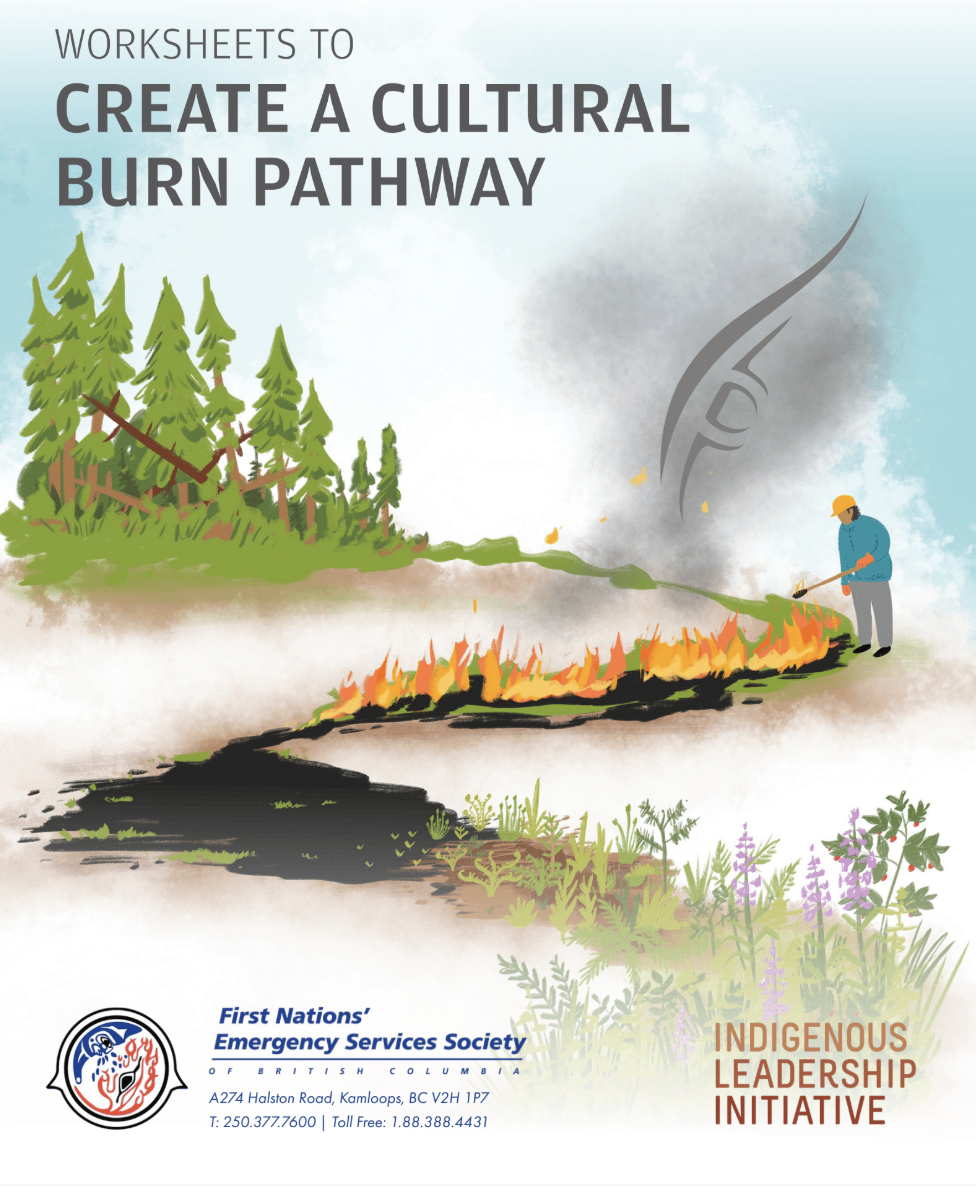
Workbook to Create a Cultural Burn Pathway
The Create a Cultural Burn Pathway workbook, released by the First Nations Emergency Services Society (FNESS) and the Indigenous Leadership Initiative (ILI), aims to help Indigenous Nations create cultural burn programs that reduce wildfire risk and revitalize a core part of our relationship with the land. Indigenous Nations bring a range of current experience with cultural fire. To meet Nations where they are, FNESS and ILI launched a multi-year community-based research project, involving over 50 Elders and knowledge holders, numerous gatherings and workshops, extensive peer reviews, and multiple edits to the workbook to reflect all the input. The result is a workbook containing seven worksheets that walk communities through the development of a strong cultural fire program—no matter what stage they are in.