Providing all Canadians access to wildfire knowledge for a more resilient future.
Pilot Phase - submit resources now open
Events
See all eventsIndigenous Community Wildfire Preparedness Sharing Circle
Location: Online
Join us virtually for a Indigenous Community Wildfire Preparedness Sharing Circle, taking place on November 30 12:00 a.m. to 1:00 p.m. CDT.
The National Indigenous Fire Safety Council, in partnership with the University of Waterloo, is hosting a free online sharing circle focused on: Strategies for Sharing Wildfire Knowledge with Indigenous Youth.
Through stories, teachings, and lived experiences, all are welcome to engage at their own comfort level while helping create a supportive, non-judgmental environment. The circle honors our Indigenous voices and the importance of protecting sacred knowledge.
All are welcome to join and contribute to this important dialogue.
Webinar | Satellites in Wildfire Management: From Data to Decisions
Location: Online
Join thriveGEO and Natural Resources Canada for a practical webinar exploring how satellite Earth Observation data can support wildfire preparedness, detection, monitoring and response.
We’ll also take you inside the free course An Introduction to Satellites in Wildfire Management – Types, Kinds and Uses, developed with Natural Resources Canada and hosted on the CIFFC Learning platform.
The Wildfire Resilience Knowledge in Motion
Location: Online
The Tools Are Already Here. Let’s Put Them to Work.
Across Canada, the wildfire resilience community is strong and growing. Somewhere in the country, someone has already solved the problem you’re working on. A researcher has the data, a community has tested the approach, an agency has the lessons learned. The challenge isn’t a lack of knowledge. It’s getting it into the hands of the people who can apply it where it matters most. Join us on December 4 to learn more on the subject:
Knowledge in Motion: WRCC Research Products and the Knowledge Exchange Platform.
In this session, you will:
- Learn how to put wildfire research to work. See how the WRCC turns complex findings into plain-language briefs and infographics you can use right away, and how one of these products is already making a difference.
- Get your work seen by more people. Take a guided tour of the Knowledge Exchange Platform (KEP) and find out how quickly you can share your research or projects with the wildfire resilience community.
- Put your initiatives on the map. Help build a community project map of wildfire resilience work across Canada, so efforts like yours are visible alongside others doing similar work.
- Have a say in what comes next. Vote on the topics of our upcoming knowledge products so they answer the questions you’re actually facing.
Resource Collections
See all resource collections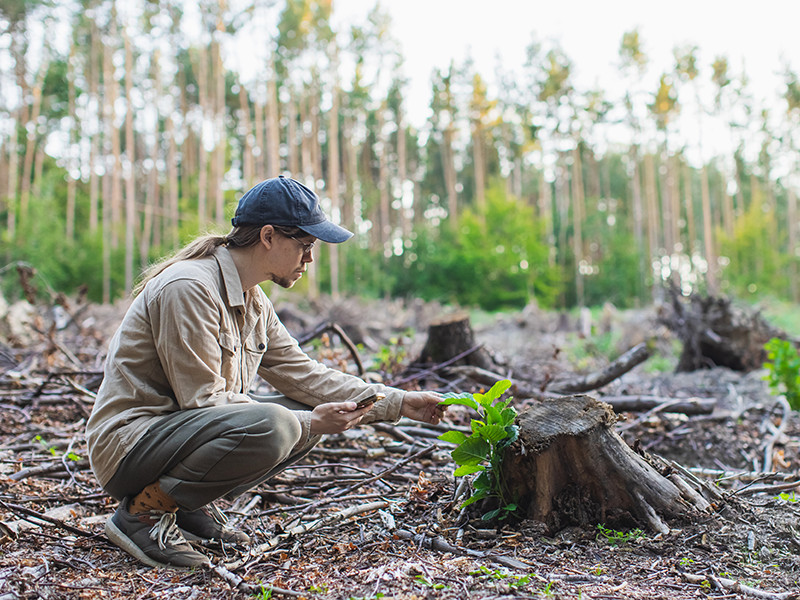
After Action Reports (or After Action Reviews or Post-Incident Assessments) are season-encompassing projects that tell the story of a particular year in wildfire for a specific jurisdiction, usually Provincial or Territorial. They tend to be procured after an impactful wildfire season to explore what happened, how people experienced the season, and what can be done differently in the future. These reports can also discuss specific topics, wildfires, or timelines.
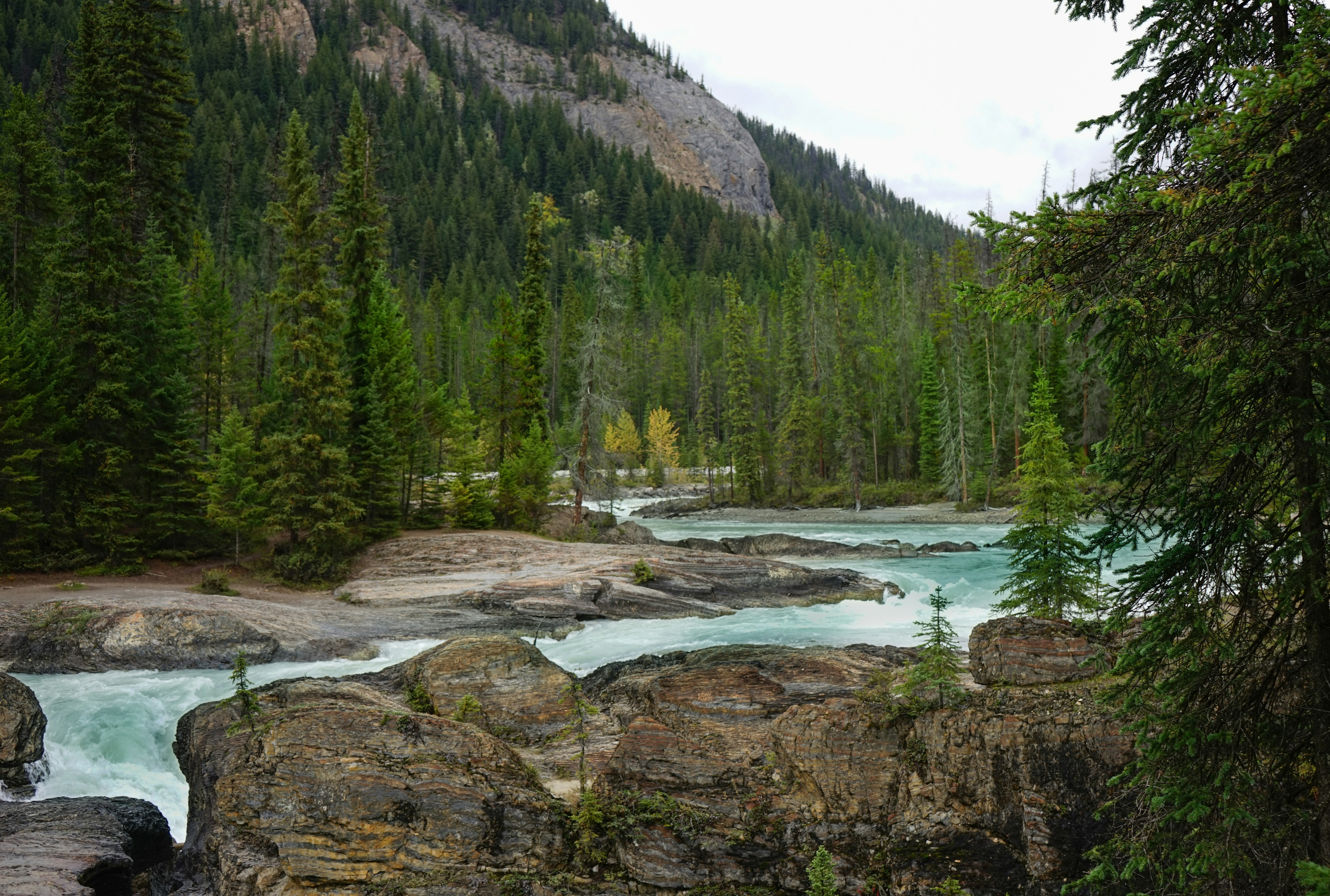
Indigenous knowledge holders, Land Guardians, and firefighters have critical expertise in the management and mitigation of wildfire in their territories. This Resource Collection aims to elevate Indigenous knowledge and land management approaches, which are too often under-recognized and under-applied.
As Indigenous Nations are advocates for the unique needs and cultural contexts of their communities, knowledge within this Collection can also aid the creation of more inclusive and actionable wildfire resilience approaches by non-Indigenous governments and organizations. We recognize that each individual in the wildfire management ecosystem can be a changemaker, and that better cross-pollination of knowledge and approaches can directly impact informed management decisions.
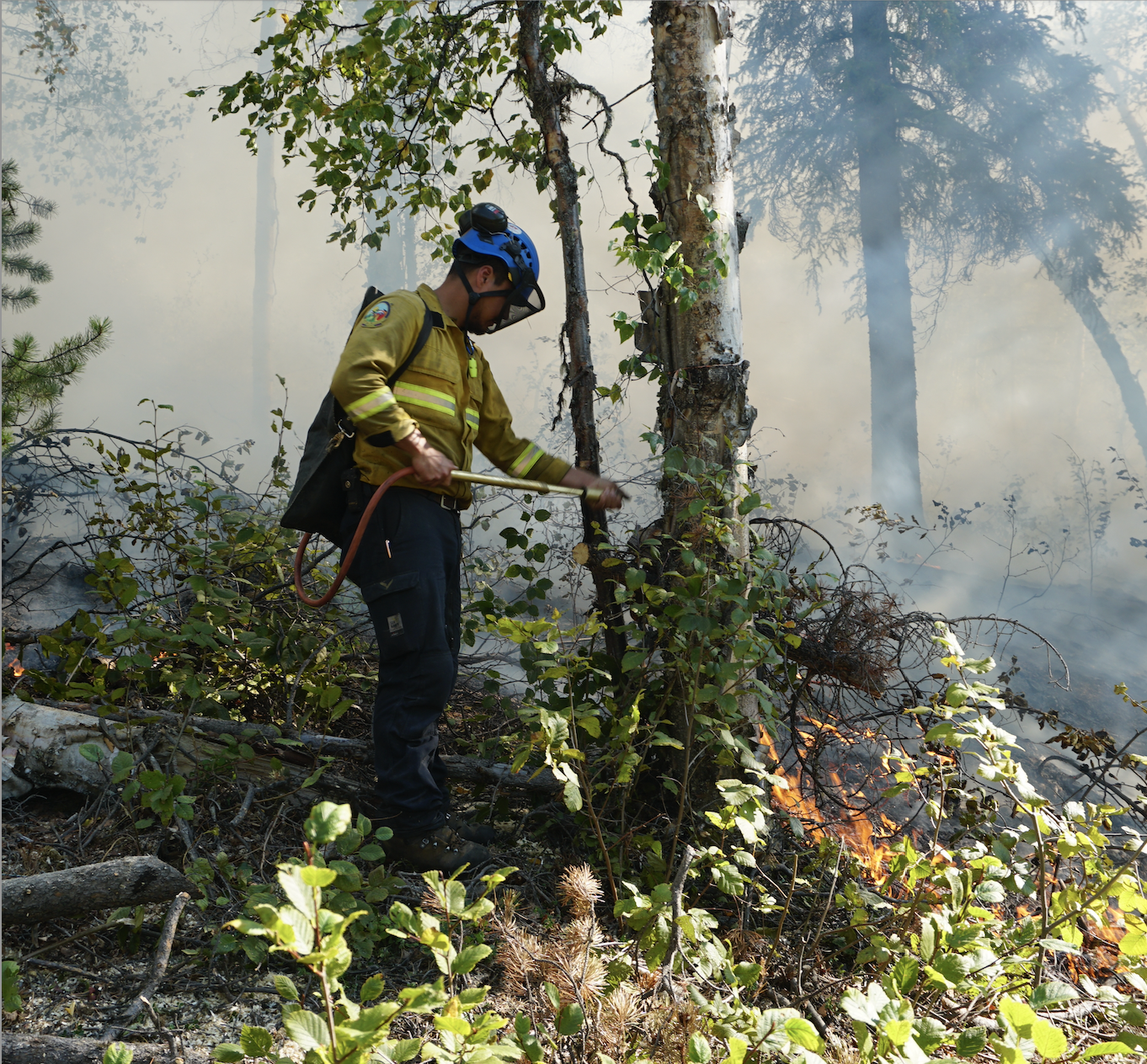
This collection is intended to equip land managers and decision-makers with knowledge needed to increase the uptake of research outcomes in fuel management, implement best practices for wildfire resilience actions, and understand how such actions intersect with interacting land values. These resources encourage the development of place-based approaches and the knowledge exchange essential to turning science and experiential knowledge into policy and practice.